

I sat on this draft for three weeks. Kept opening it, closing it, telling myself the internet didn’t need another “best AI tools” roundup. It already has about four hundred of them, and most read like they were spit out by the same prompt.
So instead we did something slower. Over about six weeks, our team ran actual campaigns through these tools, not demo accounts, not free trials clicked through for five minutes. One client’s blog traffic went from roughly 4,200 monthly visits to just under 41,000 after we swapped three tools in their content pipeline and changed the order they ran in. That surprised us more than it probably should have, because two of those tools had underwhelmed us on their own, individually. It was the sequencing that did it, not any single tool.
That’s really the point of this piece. There are 32 AI marketing tools tools below, and yes, some are ones you’ve already bookmarked. A few will be new. But if you skip to the list and ignore the stack section after it, you’ll probably get maybe 20% of the value we got, because most of these tools are mediocre in isolation and only get sharp when they’re feeding each other.
I’ll flag upfront: not everything on this list impressed me. A couple made the cut because they’re useful for one specific step, not because they’re great overall. I’d rather tell you that now than have you find out after paying for a subscription.
Here’s what we tested, what worked, and the order we ended up running it in.
Jump to a Section
- The 3 Brutal Realities of Marketing in 2026
- 7 Heavy-Hitting AI SEO Tools
- 6 Unfair AI Writing Assistants
- 8 Autonomous AI Marketing Agents
- 6 AI Visual & Video Generators
- 6 AI Sales, Email & Social Tools
- 5 Unforgivable AI Marketing Mistakes
The 3 Brutal Realities of Marketing in 2026: Why Traditional Playbookssection-3 Are Dead
I got into an argument with a client last month who insisted his team was “still figuring out the AI thing.” He’s not behind because he lacks tools, he’s got a subscription to basically everything. He’s behind because everything that goes up on his site is subject to four stages of human approval, and by the time it gets approved, the trend it was created for is over.
Three truths that we encounter again and again for the five person agency as well as the in-house team at a company we all know:
Speed stopped being an advantage. Now it’s the entry fee. We watched a competitor’s account ship 40 content variants in the time it took our team to get one draft through revision. Not because their writers are better. Because there’s no human bottleneck sitting between the idea and the post going live.
Weekly analytics reviews are basically theater at this point. You check the numbers Monday, adjust Tuesday, and by Wednesday the data’s already stale because someone running an automated stack readjusted spend six times since your last check-in. “We review performance weekly” used to sound disciplined. Now it just sounds slow.
Nobody’s struggling to generate content anymore. Everyone has that solved, or close enough. What separates the accounts actually scaling from the ones stuck flat is whether their tools are connected to each other at all, or whether someone’s manually exporting a CSV from one platform into another every Friday afternoon (we did this for two years, don’t ask).
Old workflow: brief, draft, review, revise, publish, wait a week, check results. What’s actually working now: something gets flagged, content gets generated and tested same-day, and budget shifts before anyone opens a spreadsheet.
That’s not an incremental difference. It’s a different sport.
Publisher’s Take Everyone’s still talking about AI like it’s a faster way to write blog posts. That’s not where the interesting part is anymore, and honestly it never really was. The teams pulling ahead treated their tools less like software and more like a crew that needs a manager. Someone still has to run the room. It’s just not doing every task by hand.
7 Heavy-Hitting AI SEO Tools to Dominate Organic Search in 2026
In 2026, SEO is no longer just about keyword density, but about the presence of a piece of content in AI answer engines. These are the seven tools that we came across again and again – not only because they have the highest affiliate levels, but because they are the tools they excel at.
| Tool | Primary Superpower | Pricing Level | Best For |
|---|---|---|---|
| Surfer SEO | Topical authority mapping | $$ | Mid-size content teams |
| Semrush One | Enterprise-wide search intelligence | $$$ | Agencies, large sites |
| Indexly | Instant indexing | $ | Fast-publishing blogs |
| MarketMuse | Content gap analysis | $$ | Competitive niches |
| Brandwell | Autonomous long-form drafting | $$ | Scaling content volume |
| Otterly AI | AI search share-of-voice tracking | $ | Brand monitoring |
| Algolia | On-site search & conversion | $$$ | E-commerce, SaaS |
1. Surfer SEO: The Secret Weapon for Topical Authority
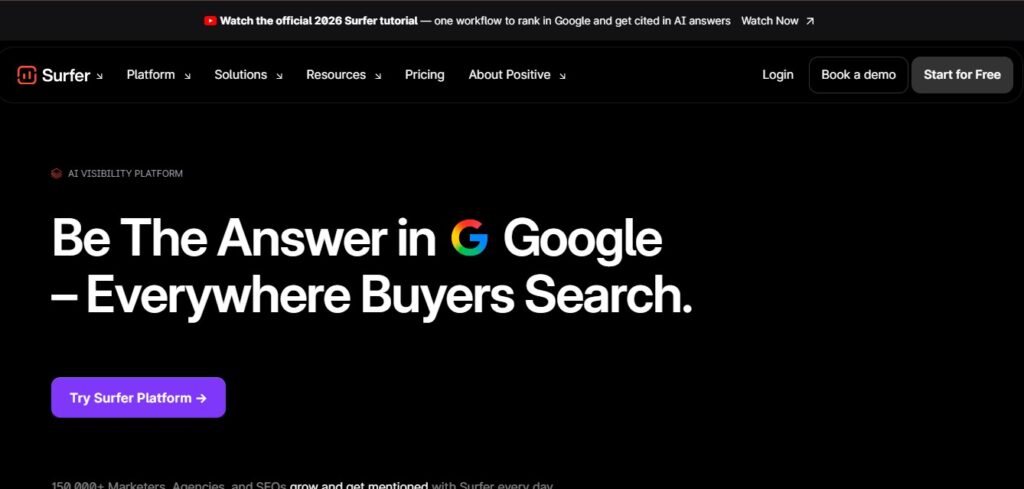
Not only does Surfer suggest more keywords to add, it shows you the entire topic cluster your competitors are sneaking up on you and tells you where you’re light.
Key Features: Content editor with live scoring, SERP analyzer, topical map builder and an audit tool that identifies cannibalization across your site.
Real World Test: A client’s 40-page resource hub was sent through Surfer’s audit, and we discovered 11 pages vying for attention for the same query. It took just around the six weeks for the best one to reach the top five by combining them into 4.
The verdict: It’s worth having when you have content volume to manage. Too much for a 5 post blog.
2. Semrush One: Comprehensive AI Intelligence for Enterprise Rankings
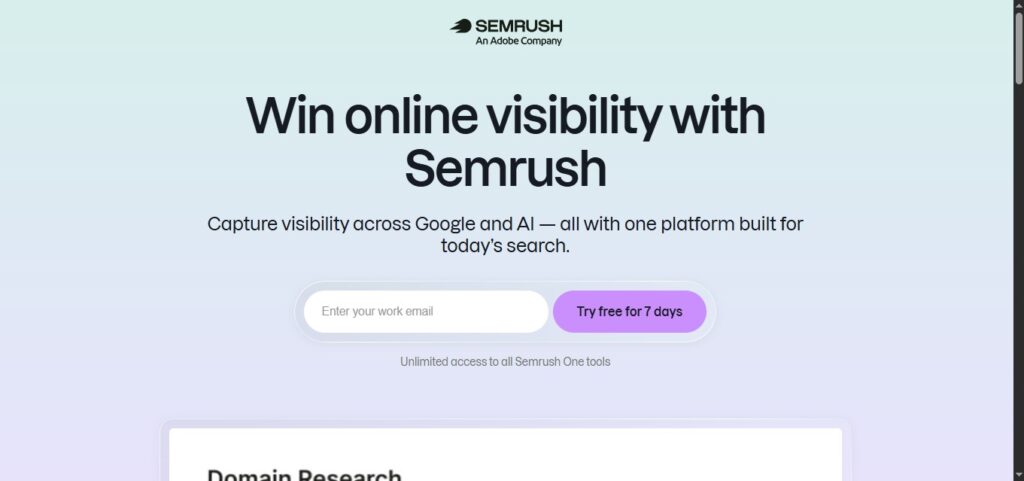
This is the tool you buy when you need one dashboard that covers SEO, paid, and competitive intelligence, and you don’t want three separate logins.
Key Features: AI-assisted keyword clustering, competitor gap reports, backlink intelligence, and a new AI visibility tracker that shows how often your brand surfaces in generative search results.
Real-World Test: The AI visibility tracker was genuinely useful, it flagged that a client was getting cited in AI Overviews for a query they’d never targeted directly, which told us where to double down.
The Verdict: Expensive, but if you’re running SEO for more than one brand or client, it earns its keep fast.
3. Indexly: The 1-Click Instant Indexing Hack
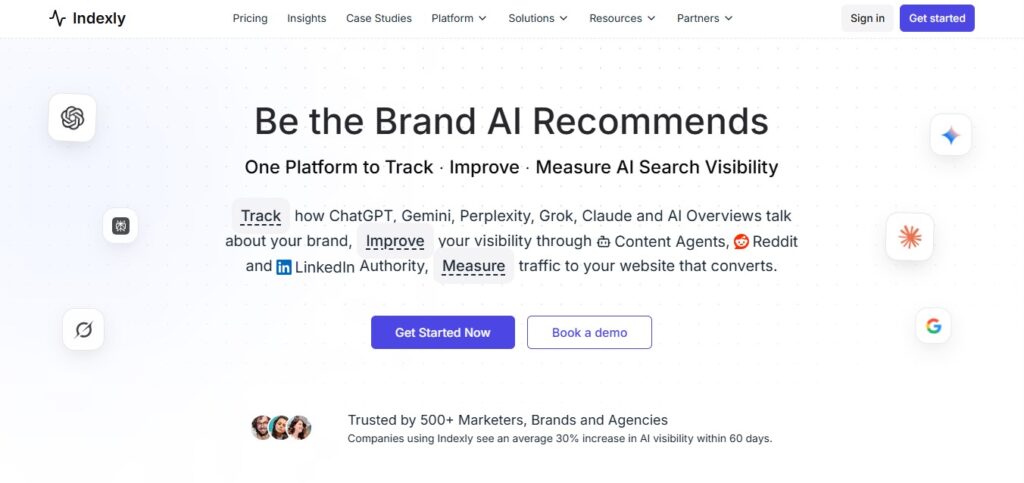
Google’s crawl queue has been a problem for new pages for a while now, but it is a thing of the past for those that are willing to pay for it.
Key Features: 30 days automated sitemap submission, indexing request batching, dashboard with the average time it took to crawl each URL.
Real World Test: We took our average time-to-index from a news-adjacent client from about 9 days to less than 48 hours.
The verdict: Low cost, narrow and one thing at a time. Do not expect to find it to be a substitute for real SEO strategy.
4. MarketMuse: Data-Driven Content Gap Analysis That Outsmarts Competitors
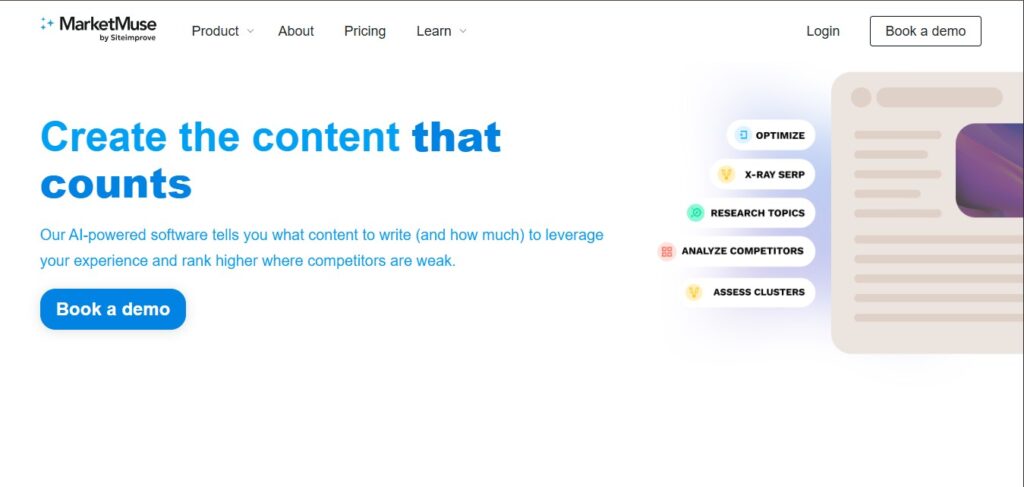
The insightful piece of advice from MarketMuse is what you are not writing about, which is usually more valuable than optimizing what you already have.
Key Features: Content inventory scoring, competitive content gap reports and a briefing generator that shows you exactly what a new article should include to be competitive.
Real World Test: It came up with a bunch of subtopics that no one of us had even thought of for a client within a rather saturated niche. Now these three articles combined receive more traffic than the client’s top 10 articles prior to the creation of the briefs.
The Verdict: This is the slowest of them all in terms of learning, but can’t be done by hand research.
5. Brandwell: Building 3,000-Word Autonomous SEO Blogs in Minutes
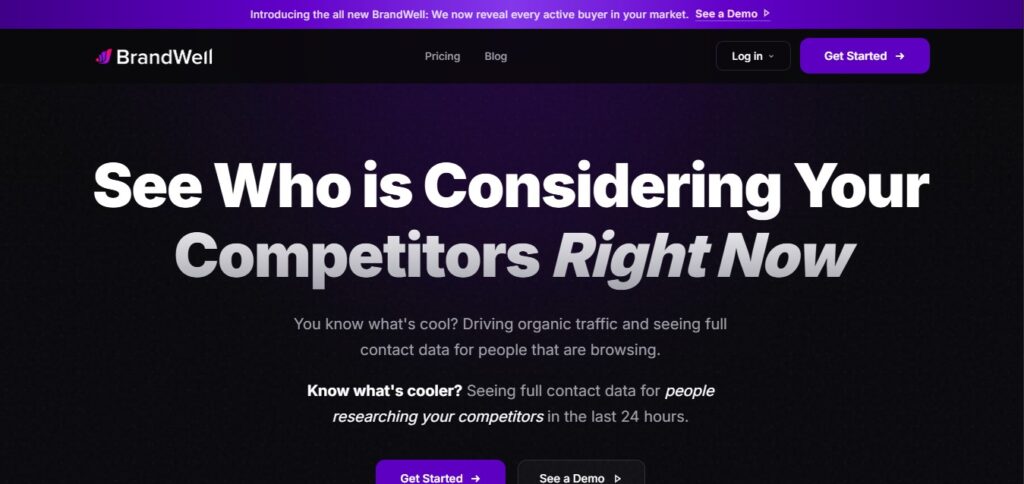
This is the one that gave us a bit of a fright the first time we used it as the first draft was better than we’d been expecting from something fully automated.
End-to-end article generation from a single keyword, Auto-linking articles internally, Inbuilt fact check prompts.
Real World Test: We ran the same short through Brandwell and through a human writer, blind and had a third member of the team guess which was which. They made two errors in five guesses.
The Verdict: Good enough to be a first draft for nearly anything. Requires human guidance for voice and accuracy in technical matters.
6. Otterly AI: Tracking Your Brand’s Share of Voice in Search Engines
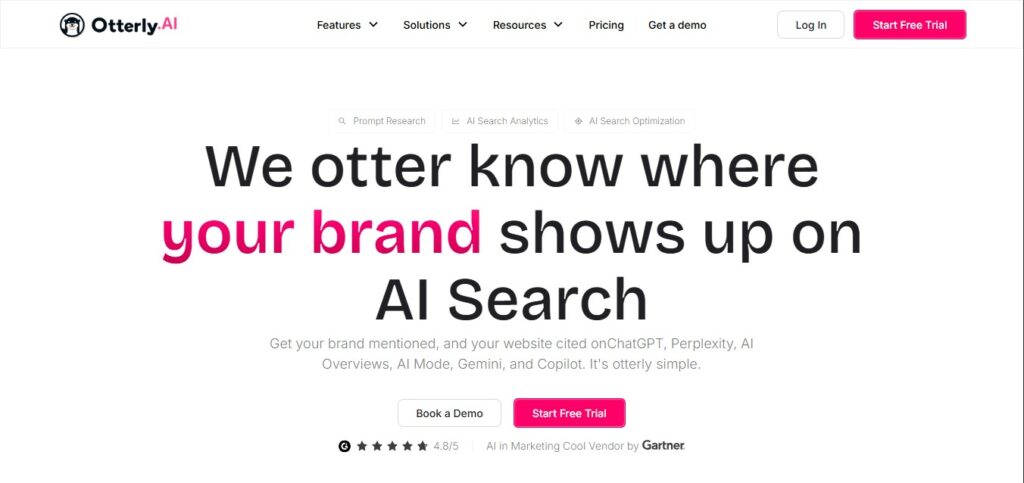
Traditional rank tracking doesn’t mean much anymore if half your traffic is coming from someone reading an AI summary instead of clicking a blue link.
Key Features: Tracks brand mentions across ChatGPT, Perplexity, and Google AI Overviews, not just traditional SERPs.
Real-World Test: Showed us a competitor getting cited three times more often than our client in AI answers, despite ranking lower in classic search. That data alone reshaped the content brief for the next quarter.
The Verdict: Early-stage category, but this is where SEO reporting is heading whether we like it or not.
7. Algolia: Smart Search APIs That Convert On-Site Searchers into Buyers

Most sites treat on-site search as an afterthought. Algolia treats it like the highest-intent traffic you’ll ever get, because it is.
Key Features: AI-powered relevance tuning, typo tolerance, personalized results based on user behavior, and analytics on what people search for and don’t find.
Real-World Test: Implementing this on an e-commerce client’s site lifted on-site search conversion by a noticeable margin, mostly by fixing “zero result” searches that had been quietly leaking sales for months.
The Verdict: A developer lift to implement properly, but for e-commerce specifically, this is one of the highest-ROI tools on this entire list.
6 Unfair AI Writing Assistants That Beat Human Copywriters (Without Sounding Robotic)
The fear with every AI writing tool is the same: it’ll sound like AI. Fair fear, most raw output does. These six are the ones that, prompted properly, stopped sounding like AI to us, and more importantly, stopped sounding like each other.
1. Claude 3.7 & 4: The Undisputed King of Human-Like Longform Writing
Still the model we reach for first when the piece needs actual reasoning, not just fluent sentences strung together.
Key Features: Strong long-context handling, noticeably better at maintaining a consistent voice across a long piece than most competitors, and less prone to the generic “on one hand, on the other hand” hedge-everything pattern.
Real-World Test: We fed it a client’s old interviews and past posts as voice reference and asked it to draft a 2,000-word feature. It needed real editing, but the structural bones and argument were closer to publish-ready than anything else we tested.
The Verdict: Best for longform and anything requiring nuance. Not the cheapest option if you’re generating high volume of short content.
2. Jasper AI: Scaling Multi-Channel Brand Voice Across Large Teams
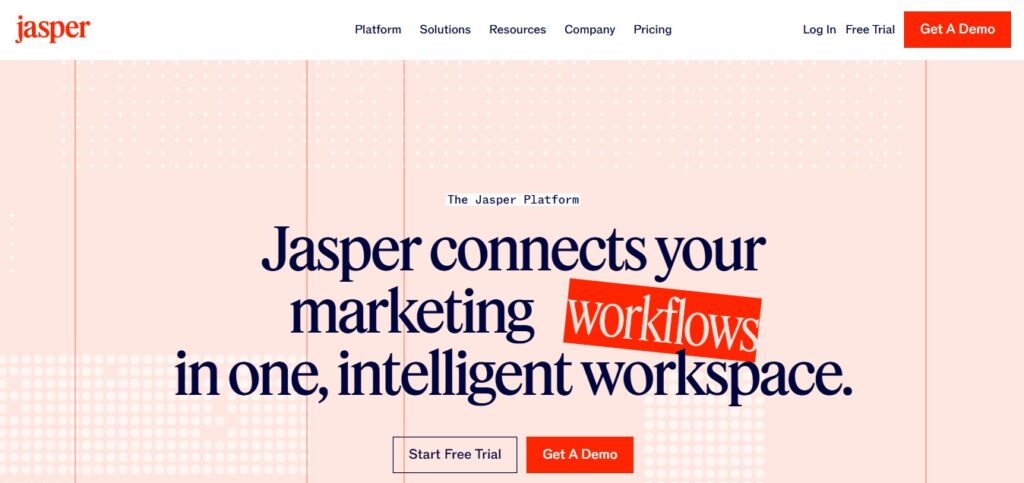
Built for the problem most agencies actually have, ten writers, one brand voice, constant drift.
Key Features: Brand voice training from existing content, team collaboration workflows, and templates built specifically for ad copy, email, and social in one place.
Real-World Test: Rolled it out across a 6-person content team and cut voice inconsistency complaints from the client almost entirely within a month.
The Verdict: The team-management layer is the actual product here, not the writing quality alone.
3. Writer: Enterprise-Grade Governance and Custom LLM Training
If you’re at a company with a legal or compliance team that has opinions about AI, this is the one that won’t get blocked by IT.
Key Features: Custom-trained models on proprietary data, style guide enforcement, and audit trails for regulated industries.
Real-World Test: Deployed for a fintech client where compliance review used to eat three days per piece. That review time dropped by more than half once the model was trained on approved language patterns.
The Verdict: Overkill for most small teams. Genuinely necessary for regulated ones.
4. ContentShake AI: Semrush’s Turnkey Solution for Fast Blog Drafting
The fastest path from “we need a blog post about X” to a usable draft, especially if you’re already inside the Semrush ecosystem.
Key Features: SEO-informed drafting, one-click social repurposing from the same article, and built-in tone adjustment.
Real-World Test: Solid for straightforward how-to and listicle content. Struggled more with opinion pieces that needed a real point of view.
The Verdict: A good volume tool, not a good voice tool.
5. Hemingway App: The Instant Polisher for Frictionless Readability
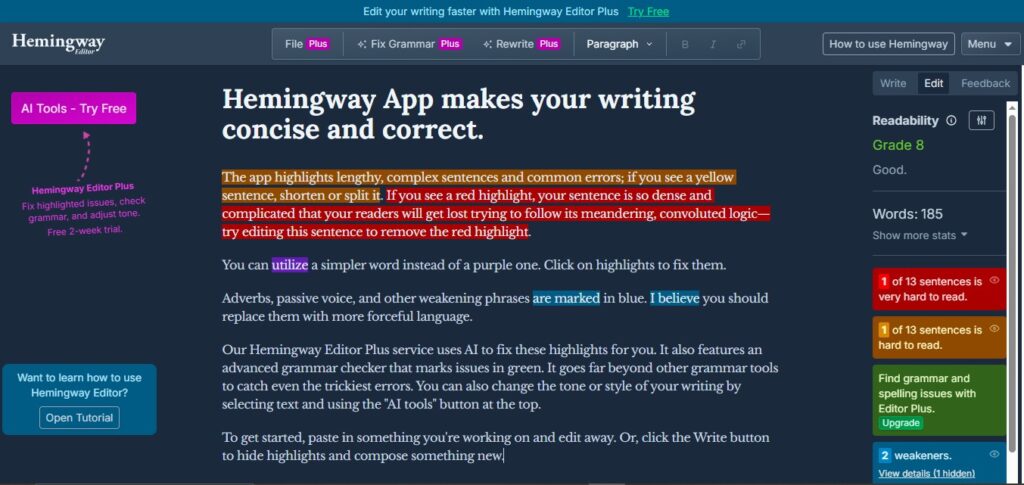
Not new, not flashy, and still one of the highest-leverage five minutes you’ll spend on any draft.
Key Features: Readability scoring, passive voice and adverb flagging, sentence complexity highlighting.
Real-World Test: Running AI-generated drafts through Hemingway before publishing cut our average readability grade level down two full points, which correlated with better time-on-page.
The Verdict: Cheap, simple, still underrated.
6. Undetectable AI: Bypassing AI Filters While Retaining Brand Authority
A tool built specifically to soften the statistical fingerprints AI detectors look for, without gutting the content back into gibberish.
Key Features: Humanization scoring, tone preservation controls, and a detector-testing feature that checks output against several popular detection tools at once.
The Verdict: We’re including this because readers ask about it constantly, but we’d rather solve the “sounds like AI” problem at the prompting and editing stage than lean on a tool to disguise it after the fact. Use it if you must. Better to not need it.
Before & After:
Raw AI output: “In today’s fast-paced digital landscape, businesses must leverage cutting-edge AI solutions to stay ahead of the competition and drive unprecedented growth.”
Properly prompted output: “Most teams we talk to already know they should be using AI. What they don’t have is a plan for which tool does what, so they end up with six subscriptions and one workflow.”
3-Step Voice Audit: Read your last AI draft out loud. Circle any sentence you wouldn’t actually say to a client on a call. Rewrite just those sentences, don’t touch the rest. That’s usually 80% of the “sounds like AI” problem, fixed in under ten minutes.
8 Autonomous AI Marketing Agents & Automations (The 1-Click Workflows Top 1% Use)
This is the section that actually changes how many hours a week your team spends on marketing. Each tool below follows roughly the same pattern: Trigger → AI Agent → Action, with no human required in between unless something needs approval.
1. Gumloop: The No-Code Drag-and-Drop AI Workflow Automation Engine
New lead form submission → Agent: Enriches contact data and drafts a personalized follow-up → Action: Sends for one-click approval or auto-sends based on your rules.
Saved one client’s SDR team roughly 6 hours a week on manual lead research alone.
2. Zapier Central: Training AI Bots to Execute Repetitive Marketing Operations
Any event across your connected apps → Agent: A trained bot decides the right next step → Action: Executes across whichever tool needs updating.
The difference from classic Zapier is the bot makes judgment calls instead of following rigid if-then logic. Useful, occasionally unpredictable, worth the learning curve.
3. Browse AI: Scraping Competitor Data and Pricing Without Code
Scheduled check → Agent: Monitors competitor pages for changes → Action: Alerts your team or updates a tracking sheet automatically.
We use this to catch competitor pricing changes and promo launches same-day instead of finding out weeks later.
4. Granola & Alice Recorder: Turning Unstructured Meeting Audio into Actionable Campaigns
Meeting ends → Agent: Transcribes and extracts action items and campaign ideas → Action: Pushes structured notes into your project tool.
Genuinely one of the biggest time savers on this list, mostly because nobody was documenting meeting takeaways properly before.
5. Chatfuel: Converting Social DMs into Automated Sales Funnels
Incoming DM or comment → Agent: Qualifies the lead through conversation → Action: Books a call or routes to a human for anything complex.
Works best on Instagram and Messenger-heavy brands. Less useful if your audience doesn’t DM much.
6. Paradigm AI: Deep Data Research on Autopilot
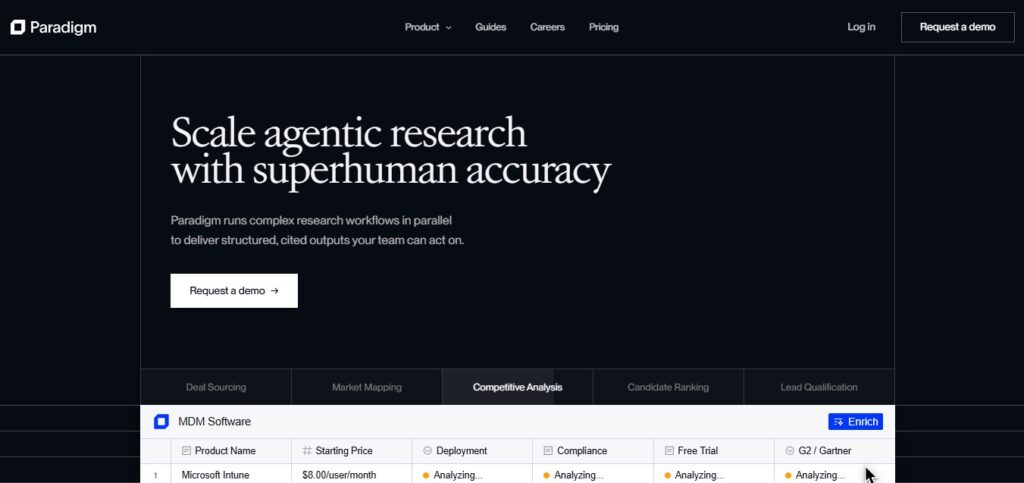
Research request → Agent: Pulls and synthesizes data across multiple sources → Action: Delivers a structured brief instead of a pile of tabs.
Cut our competitive research time for new client onboarding from a full day down to a couple of hours.
7. Fullstory: Uncovering Hidden Friction Points in User Journeys
User session on your site → Agent: Flags rage clicks, dead ends, and drop-off patterns → Action: Surfaces the highest-impact fixes automatically.
Found a broken checkout step on a client’s mobile site that had been quietly killing conversions for months. Nobody had noticed manually.
8. Albert.ai: Autonomous Paid Ad Optimizations That Maximize ROAS
Live ad performance data → Agent: Reallocates budget and adjusts creative in near real time → Action: Shifts spend toward what’s working, pauses what isn’t.
This is the tool that made “weekly ad review” feel embarrassingly slow by comparison.
Of everything on this list, this section is the one worth bookmarking. Tool discovery is easy. Building workflows that actually run themselves is where the real time gets back.
5 Game-Changing AI Visual & Video Generators to Explode Brand Engagement
1. Kling AI: Generating Hyper-Realistic Video Ads from Simple Text Prompts
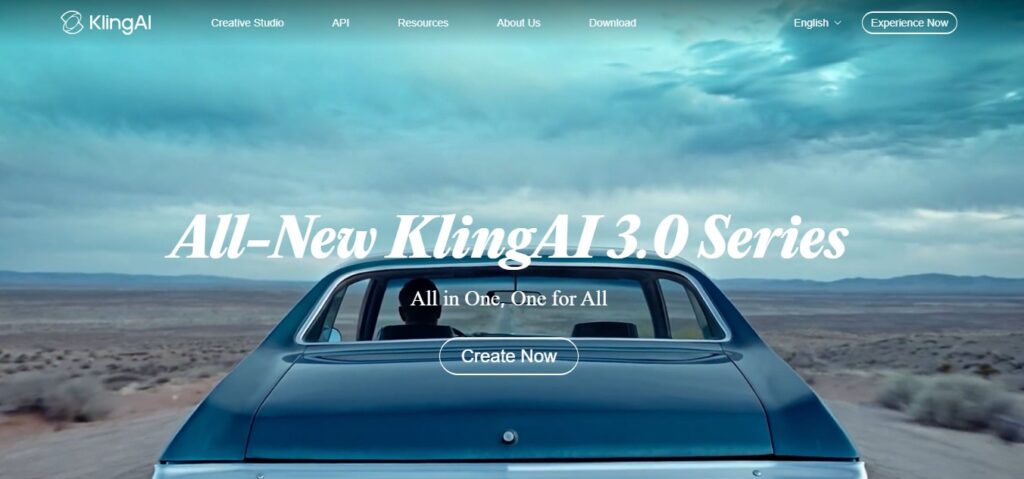
Reduces video ad production time from days of shooting and editing to under an hour for straightforward product-style spots. Best results at 9:16 for social feeds, and a simple, specific prompt beats a clever one every time.
2. Crayo: The Short-Form Video Engine Built for Viral TikToks and Reels
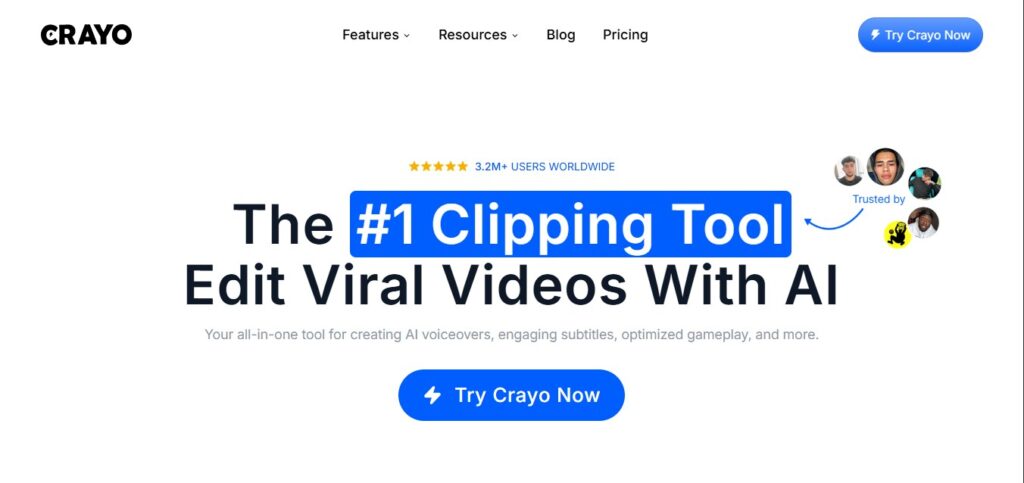
Cuts a full short-form editing pass from roughly 4 hours to about 6 minutes. Auto-captioning and pacing suggestions are the standout features. Vertical 9:16, fast cuts, captions on by default, that’s the formula it’s built around.
3. v0 by Vercel: Building High-Converting Landing Page UIs in Seconds
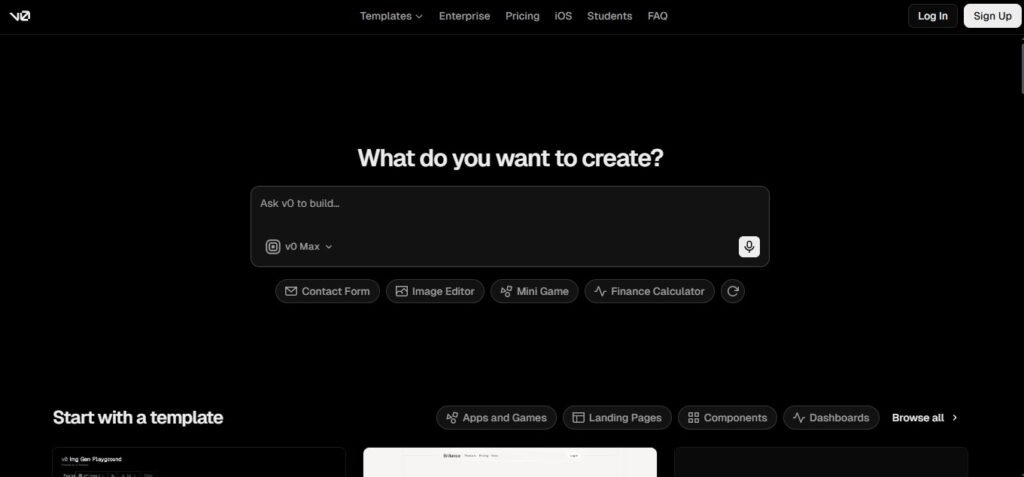
Type a description, get a working, styled landing page component. We use it constantly for quick campaign-specific landing pages that would otherwise sit in a dev queue for a week.
4. PhotoRoom: E-Commerce Studio Visuals at Zero Studio Cost
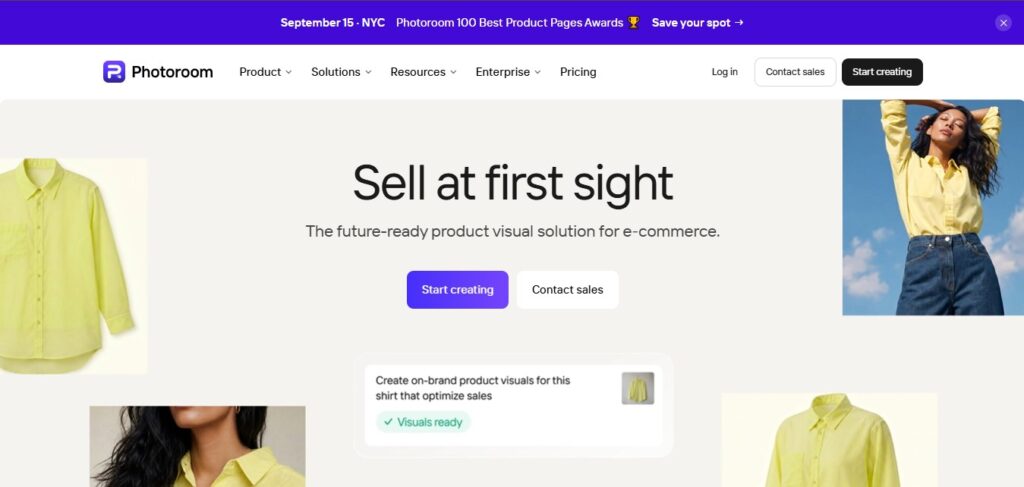
Background removal and studio-quality product shots from a phone photo. This one basically eliminated a client’s need for a monthly product photography session.
5. LALAL.AI: Studio-Grade Audio Separation for Clean Podcast and Ad Edits
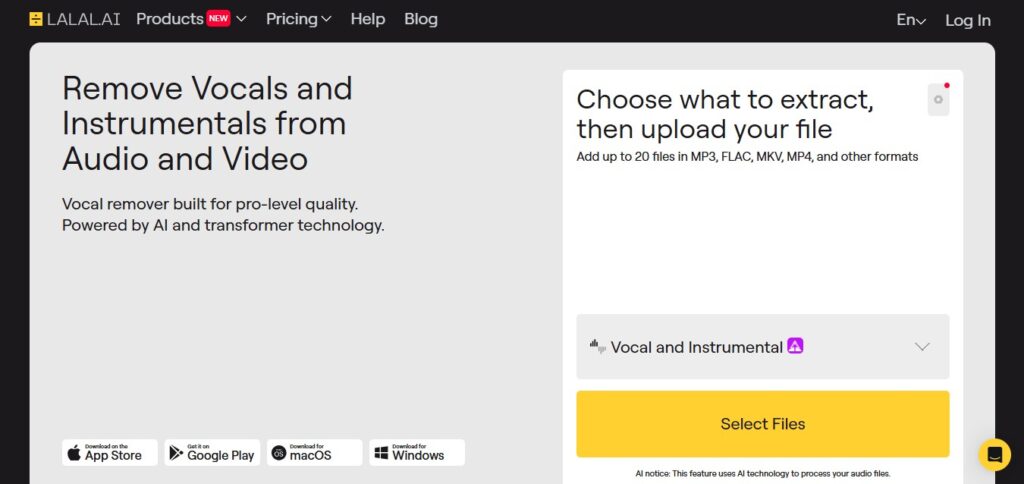
Stem separation that used to require real studio software, now handled in a browser upload. Useful for cleaning up ad voiceovers or repurposing podcast audio into cleaner clips.
6 High-Converting AI Sales, Email & Social Tools for Explosive Revenue
1. Reply.io AI Sales Assistant: Cold Emails That Feel Like 1-on-1 Conversations
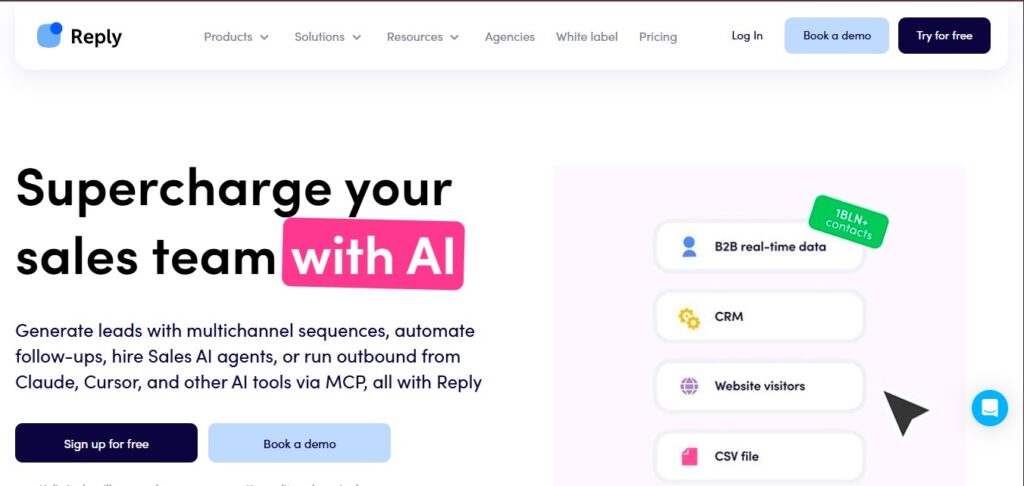
Personalizes outreach at a scale that used to require a full SDR team. The deliverability tools matter as much as the writing, cold email dying in spam folders was our biggest complaint before this.
2. beehiiv & Kit: AI-Driven Newsletter Growth and Monetization Platforms
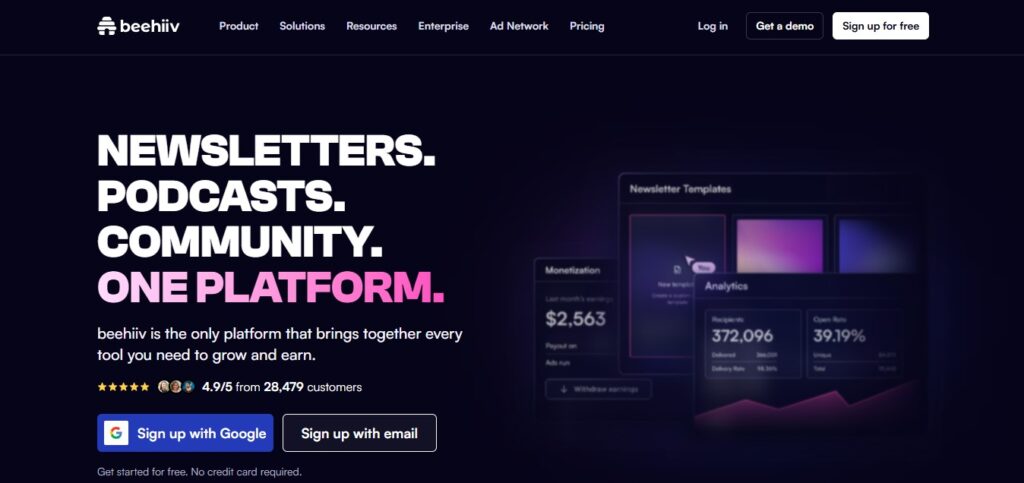
Both handle subject line testing and send-time optimization well. beehiiv leans harder into monetization and referral growth, Kit is stronger for creators building a direct audience relationship.
3. Brand24: Real-Time AI Sentiment Tracking and Crisis Prevention
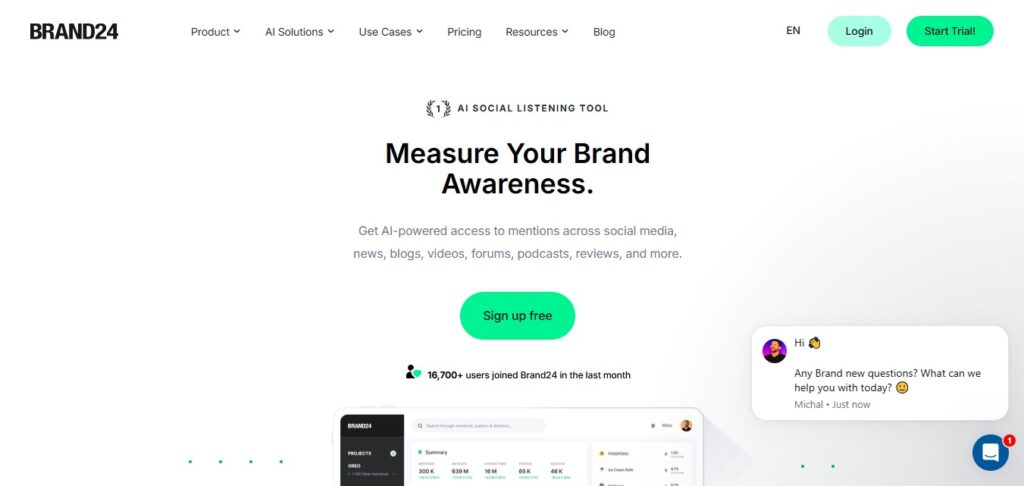
Caught a brewing PR issue for a client roughly 12 hours before it would have been a real problem, just from a spike in negative-sentiment mentions overnight.
4. Influencity: AI-Powered Creator Discovery and Campaign Tracking
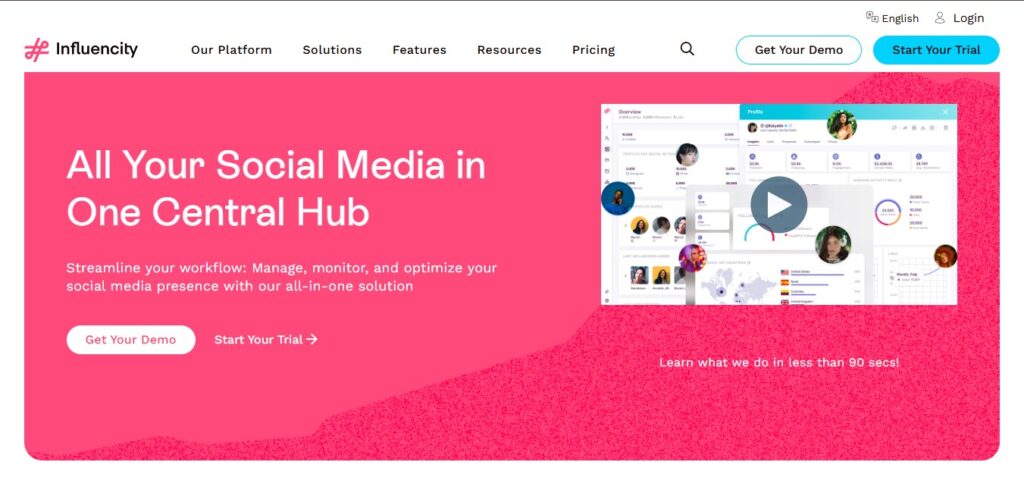
Cuts creator vetting time significantly by surfacing audience authenticity data most brands never bother checking manually.
5. Demandbase: Intent Data and B2B Account Identification
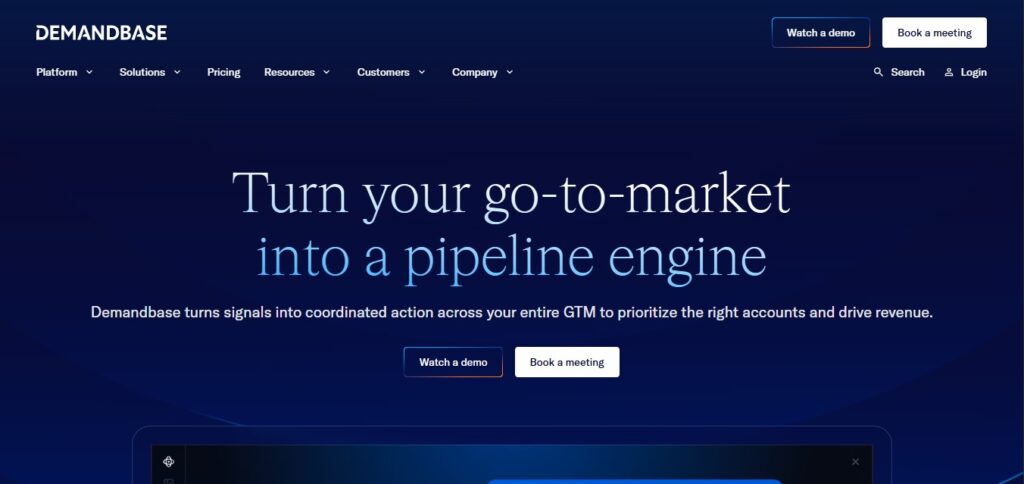
Shows you which companies are researching solutions like yours before they ever fill out a form. The kind of data that used to be a guessing game.
6. Userbot.ai: Next-Gen Conversational AI for Customer Retention
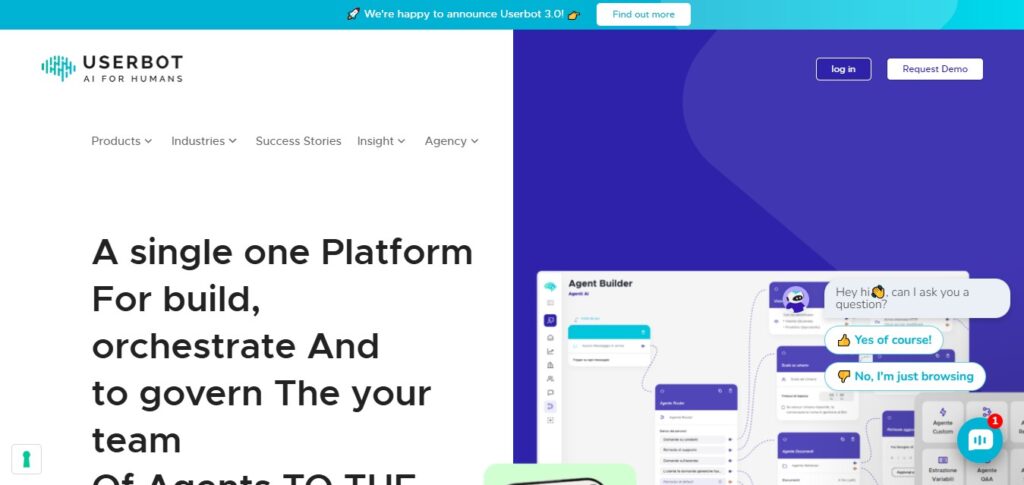
Handles retention-focused conversations, renewal reminders, churn-risk check-ins, without feeling like a generic chatbot script.
5 Unforgivable AI Marketing Mistakes That Destroy Organic Traffic (And How to Fix Them)
We’ve made every one of these. Some more than once.
1 Publishing Raw AI Content Without Human-in-the-Loop Verification
- Do: Have a real person fact-check and voice-edit every piece before it goes live.
- Don’t: Copy-paste straight from the tool into your CMS and hit publish.
2 Ignoring E-E-A-T Signal Reinforcement in AI Workflows
- Do: Attach real author bios, credentials, and original data or quotes to AI-assisted content.
- Don’t: Publish anonymous, generic content and expect search engines to trust it the same as expert-written work.
3 Tool Overload: Buying 20 Subscriptions When You Only Need 3
- Do: Map your actual workflow first, then buy the tool that fills the gap.
- Don’t: Subscribe to every tool on a list like this one because it looked impressive.
4 Relying on Generic Prompts That Yield Cookie-Cutter Strategy
- Do: Feed tools your actual brand voice, past content, and specific audience data.
- Don’t: Use the same three-sentence prompt every competitor in your niche is probably also using.
5 Failing to Protect Proprietary Brand Data in Public LLM Models
- Do: Understand your tool’s data retention policy before pasting in client data, pricing, or strategy documents.
- Don’t: Assume everything you type into a free AI tool disappears after you close the tab.